Search for the beginning of lead-acid battery manufacturing in China and several dates appear. The Shanghai Gazetteer records Chinese-owned automotive battery production in 1912, an industry source uses 1921 as an industrial starting point, and an official Shenyang plan describes a specialized factory founded in 1939.
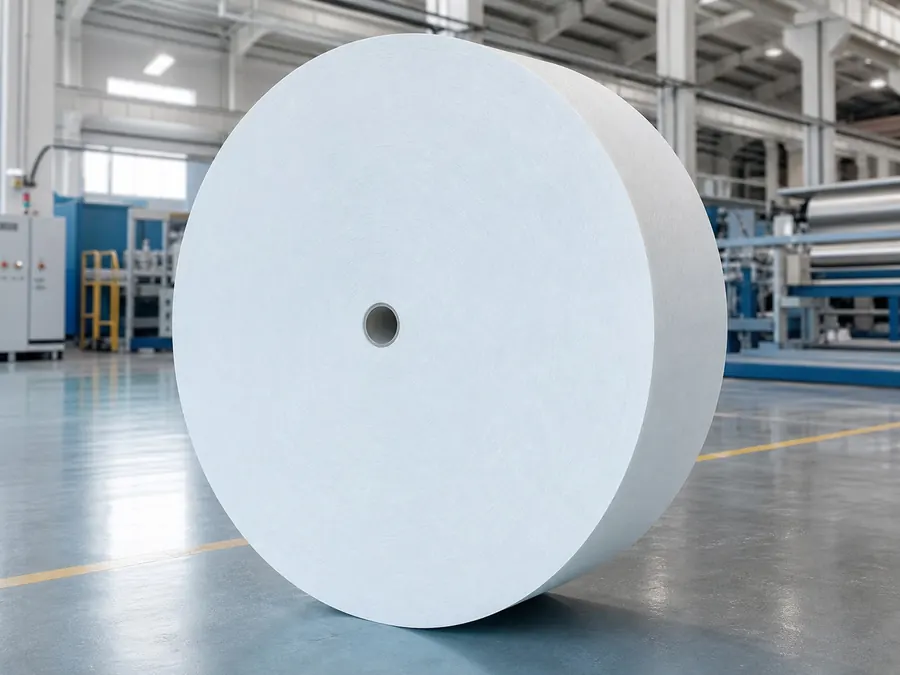
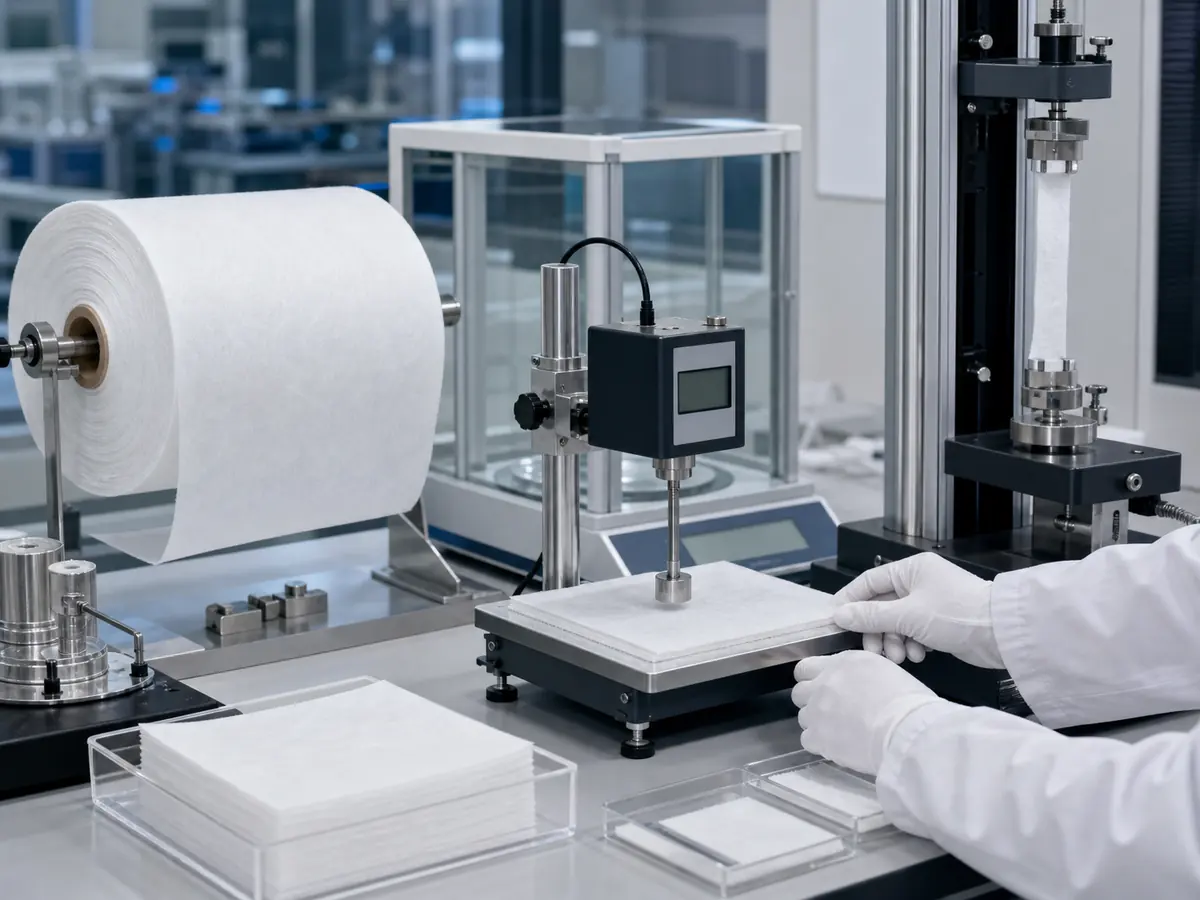
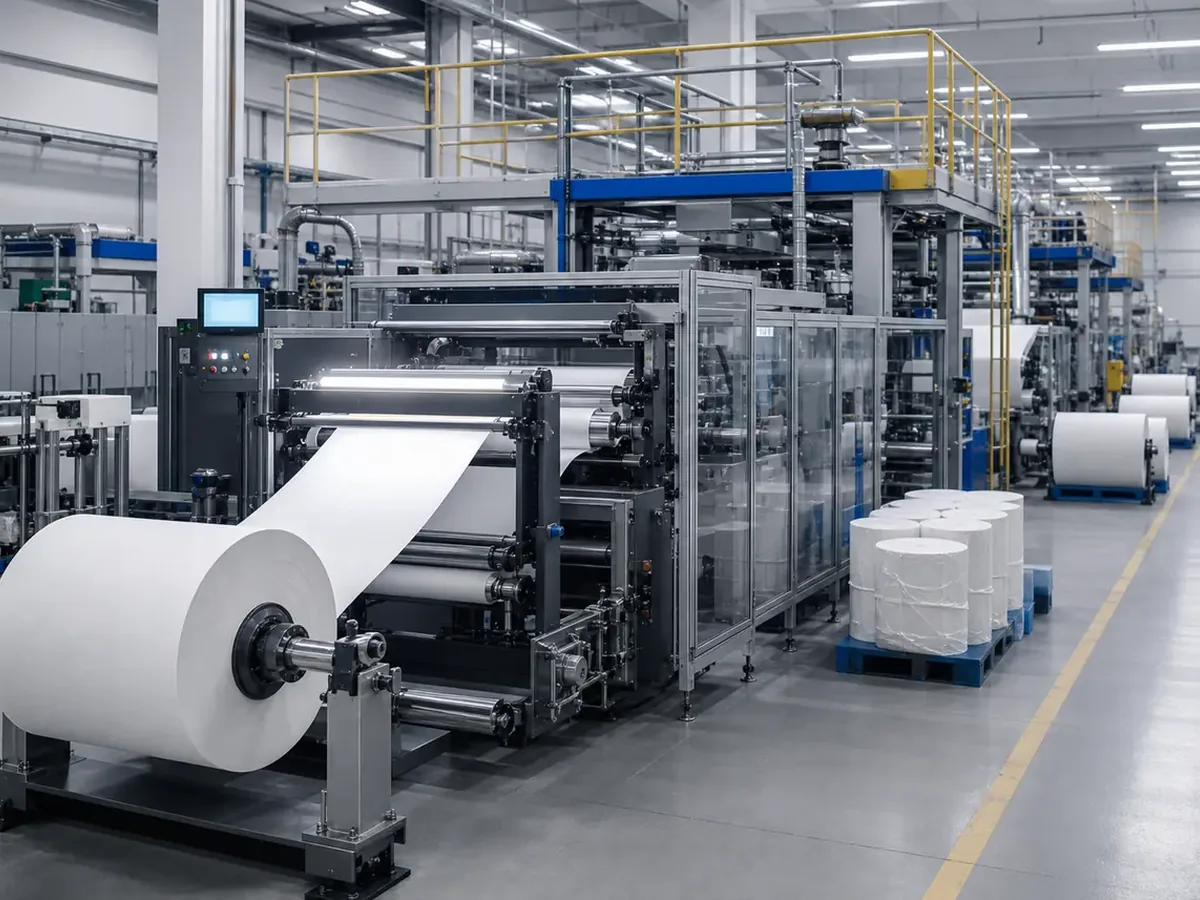
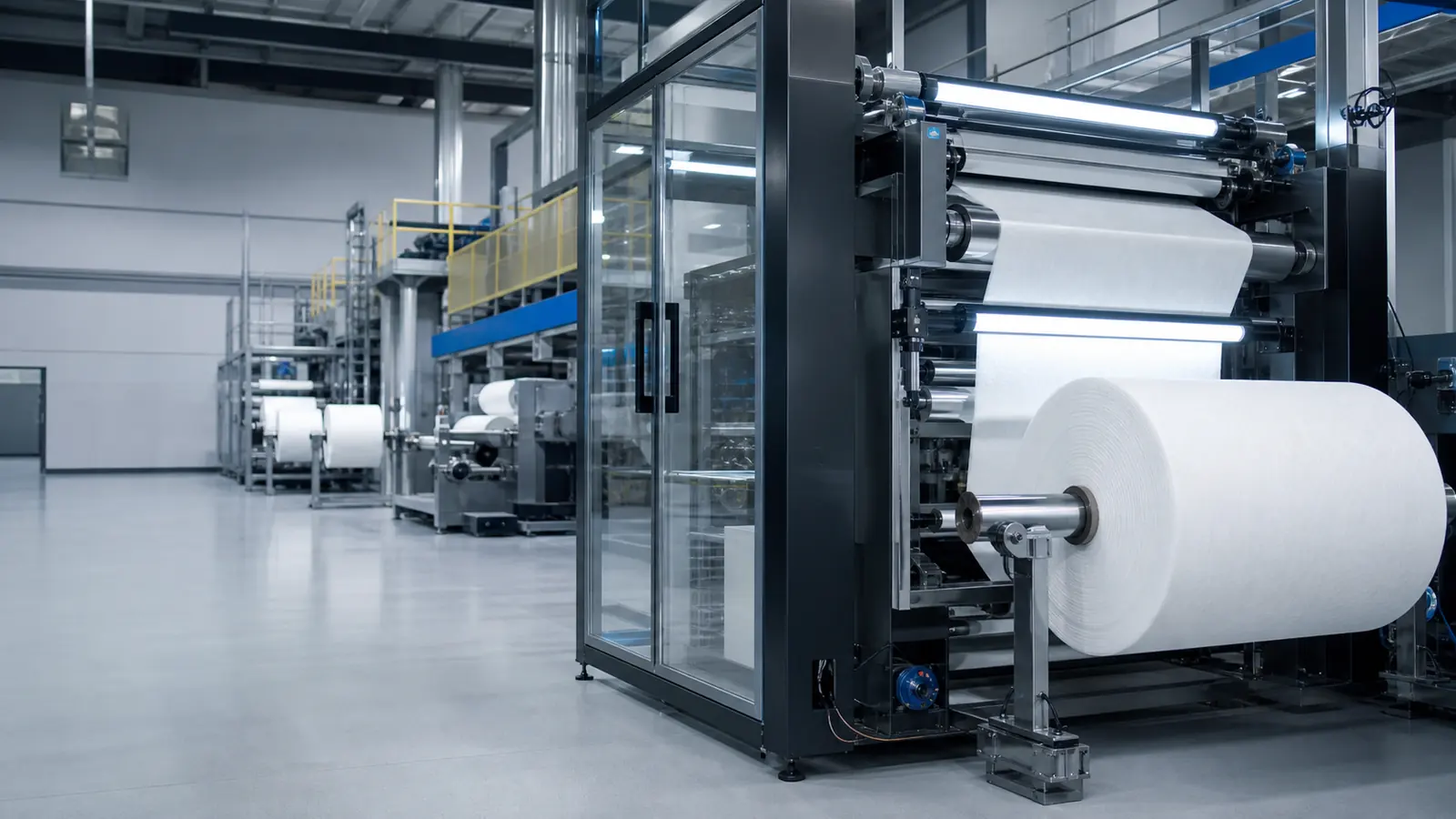
These accounts use different definitions rather than proving one universal ‘first’. This article separates those definitions, explains the early production sequence and follows the separator’s development from wood and microporous materials to AGM. The factory photographs shown here document modern Viking production; they are not historical images.
Manufacturing Timeline
Five milestones, each answering a different historical question
Company founding, an industry starting point and specialized factory production are different criteria. The dates below should not be read as a single absolute claim.
1912
The Shanghai Gazetteer records Hu Guoguang founding the China Storage Battery Factory and producing automotive batteries.
1921
An industry source uses the Shanghai-based factory as the starting point of China’s lead-acid battery industry.
1939
An official Shenyang plan describes the founded Shenyang Storage Battery Factory as a specialized lead-acid battery manufacturing milestone.
1967–1971
Microglass-fiber VRLA development began in 1967 and related products entered the market four years later.
Today
Mechanized production, agreed test methods and batch management replace one-off manual adjustment.
Different Definitions
Why 1912, 1921 and 1939 do not necessarily conflict
Early factory history is distributed across local gazetteers, industry reviews and official planning records. One source identifies Chinese-owned automotive battery production, another chooses an industry starting point and a third emphasizes specialized, systematic factory production. The useful conclusion is not a single slogan about the ‘first’ factory, but a sequence in which local production appeared before larger-scale professional manufacturing took shape.
Early Materials
Hand-cast grids, pasted plates and containers made from wood, rubber or glass
Historical battery literature describes relatively thick grids, manual or semi-manual pasting, plate treatment, formation and element assembly. Containers could use lined wood, hard rubber or glass. Separators included wood, hard rubber, celluloid and glass. Each separator still had to prevent plate contact while allowing ionic movement, but acid resistance, dimensional consistency and long-term stability were difficult to control together.
Process Control
The production sequence was familiar, but repeatability depended heavily on experience
Grids received active material, plates were cured and formed, and positive and negative plates were grouped with separators before electrolyte filling, charging and testing. What differed was the available measurement and control. Natural wooden separators varied in thickness, porosity and strength, so small batches could be selected and trimmed by hand. That approach became impractical as output increased.
Industrial Production
Specialized factories changed the objective from one usable battery to repeatable batches
The 1939 Shenyang milestone represents the rise of a more specialized factory system, not proof that earlier production did not exist. As the industry expanded, grid dimensions, mixing, pasting, curing, formation, grouping, acid filling and initial charging increasingly followed equipment-based requirements. Dedicated capacity and discharge testing made consistent delivery for vehicles and industrial equipment more achievable.
Separator Evolution
From wood and microporous synthetics to a separator that participates in VRLA operation
The industry adopted microporous rubber, sintered PVC, polyethylene and polypropylene as materials became more controllable and scalable. AGM changed the separator’s role again. In a VRLA-AGM battery, ultrafine glass fibers retain electrolyte, maintain ionic pathways, support oxygen transfer and help hold the plates in the intended compressed state. AGM is therefore part of the internal operating mechanism, not only a physical barrier.
Modern Manufacturing
Faster lines make material and batch variation more visible
Modern grid, pasting, curing, assembly, formation and testing processes are increasingly mechanized. A continuous line cannot pause to trim every separator individually. Differences in AGM thickness, basis weight, absorption, compression behavior, roll width or sheet dimensions can create setup changes, inspection and rework. Today the practical requirement is to carry an agreed specification consistently from sample validation into recurring supply.
Battery application
Define the VRLA battery use and operating conditions before selecting a separator.
Compression design
Review nominal thickness together with the intended wet and compressed state.
Roll or sheet dimensions
Confirm width, core, roll diameter or finished sheet size for the assembly process.
Test method
Compare samples and batches using agreed conditions and tolerances.
Project stage
Separate initial sample requirements from pilot and recurring volume supply.