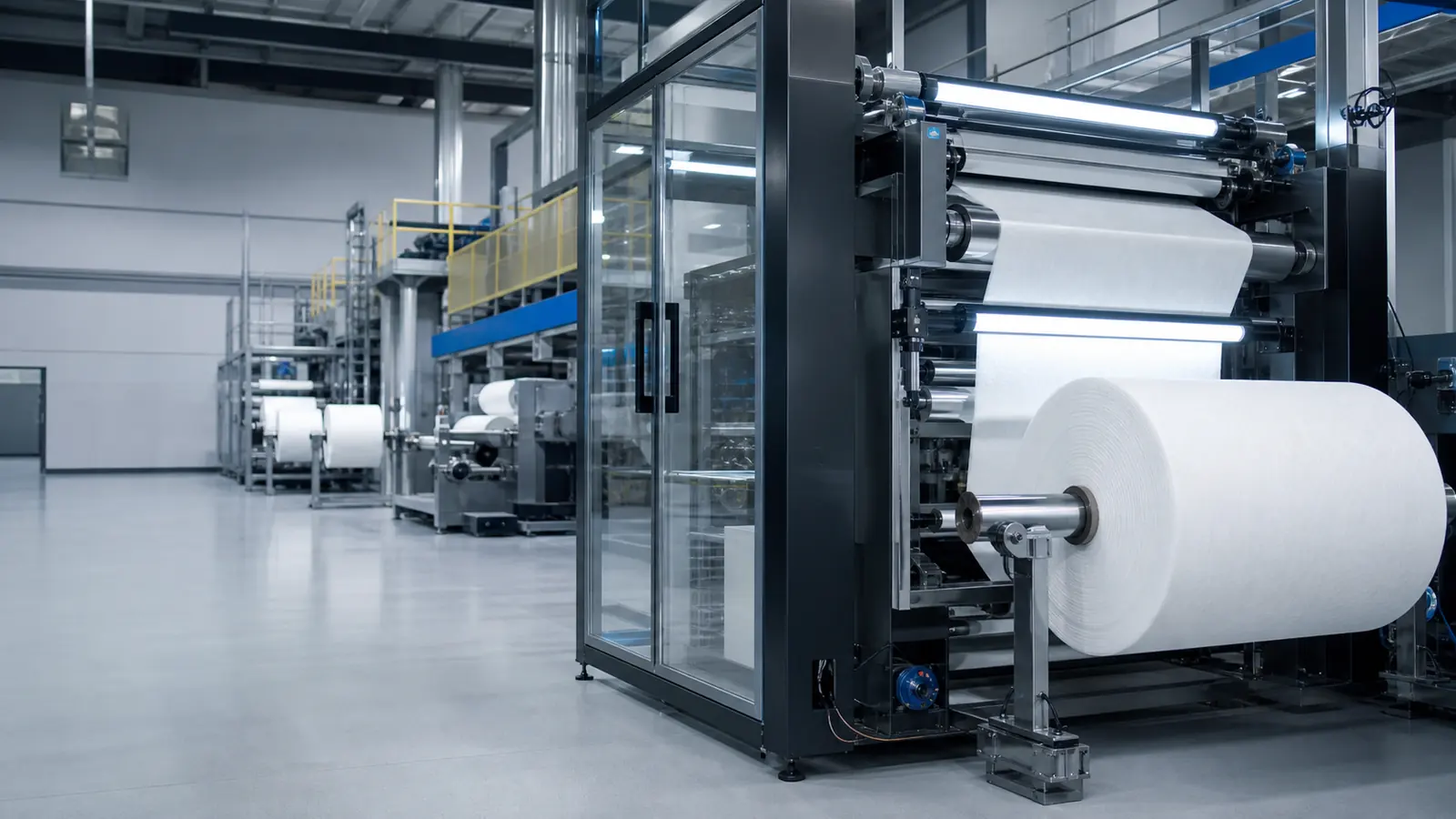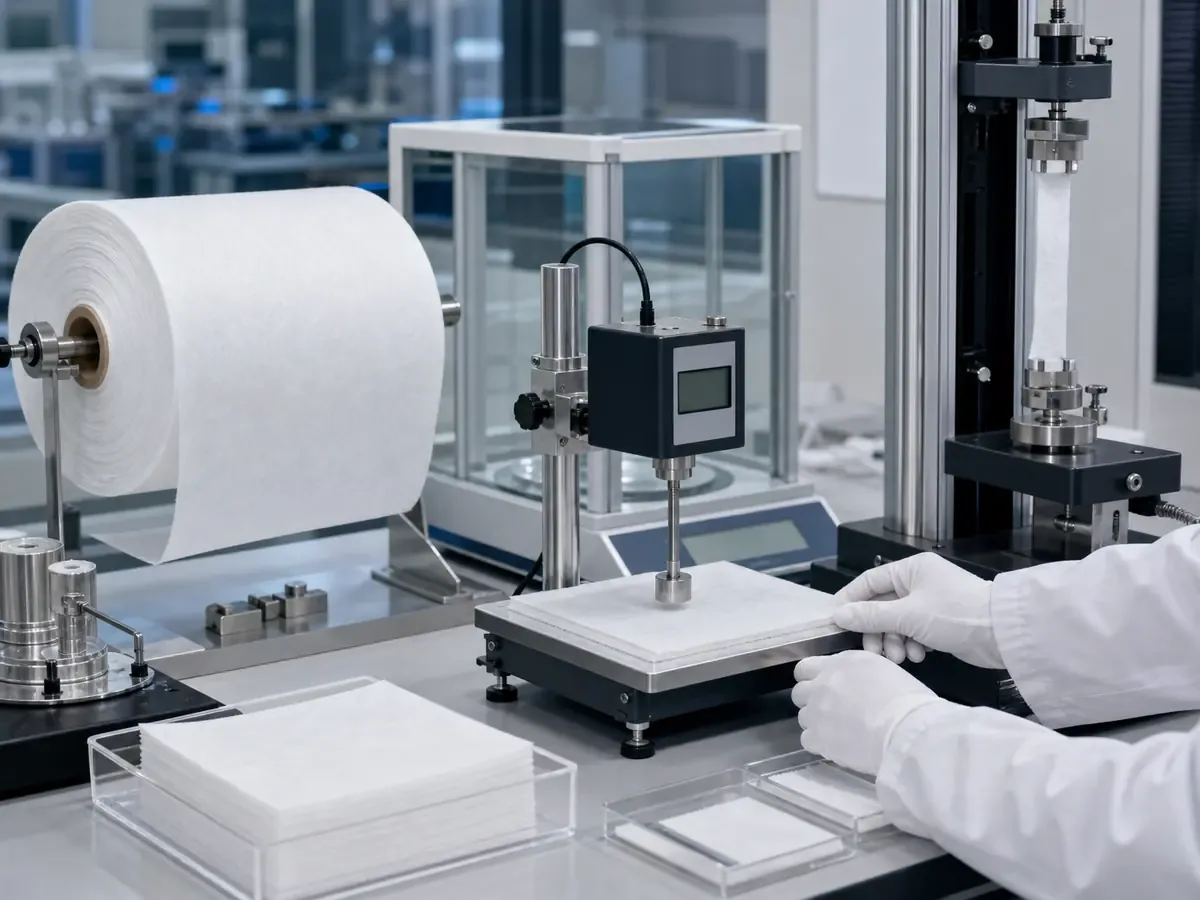
A supplier describes an existing AGM fiberglass pasting paper for continuous plate pasting and says it may lower drying-oven temperature or allow the oven to be stopped, while replacing plant-fiber pasting paper. This is the supplier's own product-page claim, not independent test evidence.
The page gives no energy saving, measurement boundary, line speed, moisture condition, oven setting, comparison trial or plate and battery result. The useful purchasing question is therefore not whether the material name sounds energy-saving, but what a same-line comparison must prove.
Claim and source
The public statement belongs to a supplier's existing product page
The cited page says the product is used for continuous plate pasting and may reduce drying-oven temperature or stop oven use, and may replace plant-fiber pasting paper. The page does not identify a launch this week, third-party validation or an industry benchmark. Viking does not claim to supply that product or reproduce that result.
Missing conditions
An oven-temperature statement is not yet an energy result
A defensible comparison needs the coated-plate output, line speed, incoming and outgoing moisture state, oven zones, setpoint and measured temperature, residence time, fuel or electricity boundary, metering interval and normalization method. None of those quantitative conditions appears on the cited page.
Same-line comparison
Compare energy per accepted output under controlled production conditions
Run the current paper and candidate on the same line with an agreed recipe, plate geometry, paste loading, shift window and production state. Record energy per accepted plate area, mass or count alongside speed, moisture, oven settings, start-stop losses and ambient conditions. Temperature alone may show a process change, but not the net energy saved.
Plate acceptance
Energy, plate quality and scrap rate require separate evidence
Compare appearance, edge condition, adhesion or shedding indicators, moisture consistency, dimensional or mass consistency and scrap rate using the plant's approved methods. A lower temperature is not a saving if throughput falls, rework rises or accepted output changes.
Validation boundary
Pasting paper and the AGM main separator are not the same product layer
Pasting paper supports plate manufacture; the AGM main separator serves inside the assembled VRLA battery. A material-level observation cannot by itself prove plate durability, battery capacity, life or field reliability. Plate acceptance and complete-battery validation remain separate gates.
Before implementation
Freeze four boundaries before evaluating a replacement
Agree the baseline and candidate lot, line speed and paste recipe; define moisture sampling points and oven operating window; define the energy meter and unit-output denominator; and freeze plate acceptance, scrap and downstream battery checks. Without these boundaries, a supplier statement cannot be converted into a plant result.
Frequently asked questions
Can fiberglass pasting paper reduce lead-acid battery drying-oven energy?
A supplier makes that claim for its existing product, but its public page provides no quantified energy data. Verification requires a same-line comparison covering accepted output, line speed, moisture state, oven temperature and residence time, energy-meter boundary, plate quality and scrap. A single-material claim cannot replace plate acceptance or complete-battery performance validation.
Unit-output energy
Use the same electricity, gas or steam boundary and normalize by accepted area, mass or plate count.
Line speed and output
Record set speed, actual speed, accepted output, downtime and start-stop losses.
Moisture and oven
Fix sampling points; record incoming/outgoing moisture, zone temperatures and residence time.
Plate acceptance
Use approved appearance, consistency, adhesion or shedding and dimensional checks.
Scrap and downstream result
Separate scrap-rate evidence from complete-battery capacity, life and reliability tests.