
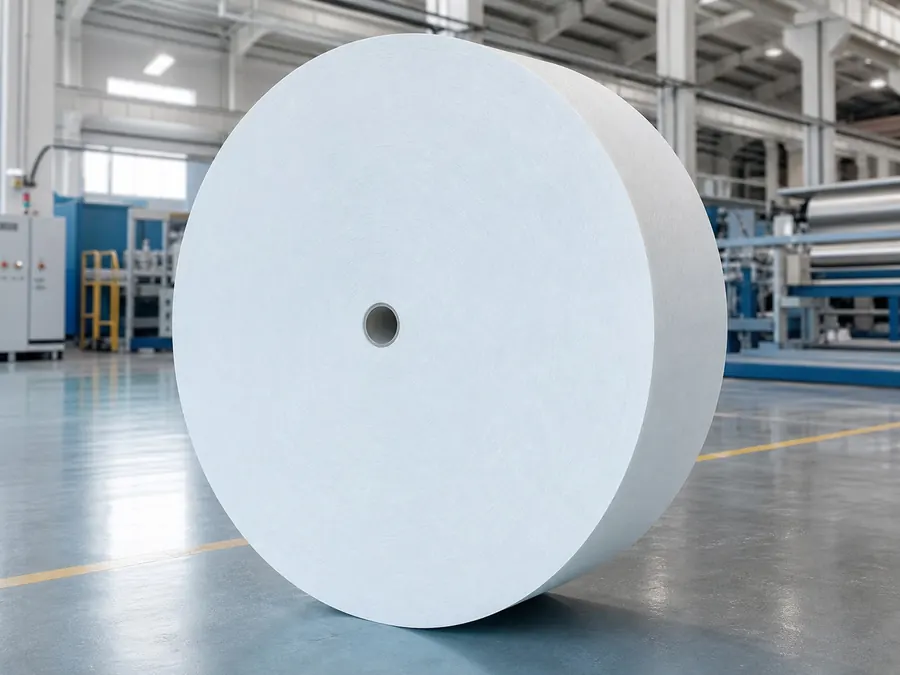
Choosing an AGM separator starts with the battery, not with the separator alone. A UPS battery, telecom battery, motorcycle battery or energy storage battery may require different separator specifications.
A practical sourcing discussion should confirm the product form, dimensions, technical parameters, sample information and quality requirements before quotation or sample arrangement.
Battery Application
Start from the battery application
Different VRLA battery applications can have different plate design, assembly process and performance priorities. Start by telling the supplier whether the separator will be used for UPS, telecom, motorcycle, e-bike, energy storage or another lead-acid battery application.
Roll or Sheet Type
Confirm whether you need rolls or sheets
Rolls are usually discussed for continuous production, slitting or in-house cutting. Sheets are convenient for direct assembly, sample review, small batches or customized battery models.
Dimensions
Confirm thickness, width or sheet size
Thickness and dimensions should match battery design, plate spacing and production workflow. If an existing separator is already in use, a sample, drawing or specification sheet can help the supplier review the requirement.
Technical Parameters
Review the technical parameters together
Basis weight, acid absorption behavior, electrical resistance, porosity and mechanical strength should be reviewed with the battery design and production process rather than as isolated numbers.
Samples and Quality Checks
Confirm samples and customer-specific quality checks
For new projects, technical parameters should be confirmed through sample testing and battery design review. Quality checks can be performed according to customer requirements after the test items are agreed.
Battery application
UPS, telecom, motorcycle, e-bike, energy storage or automotive starting battery.
Product form
Rolls, sheets or both formats according to production workflow.
Dimensions
Thickness, width, sheet size or other drawing-based dimensions.
Technical parameters
Basis weight, acid absorption, resistance, porosity and mechanical strength.
Reference material
Existing sample, drawing or specification sheet when available.
Quality requirements
Customer-required test items and review priorities.