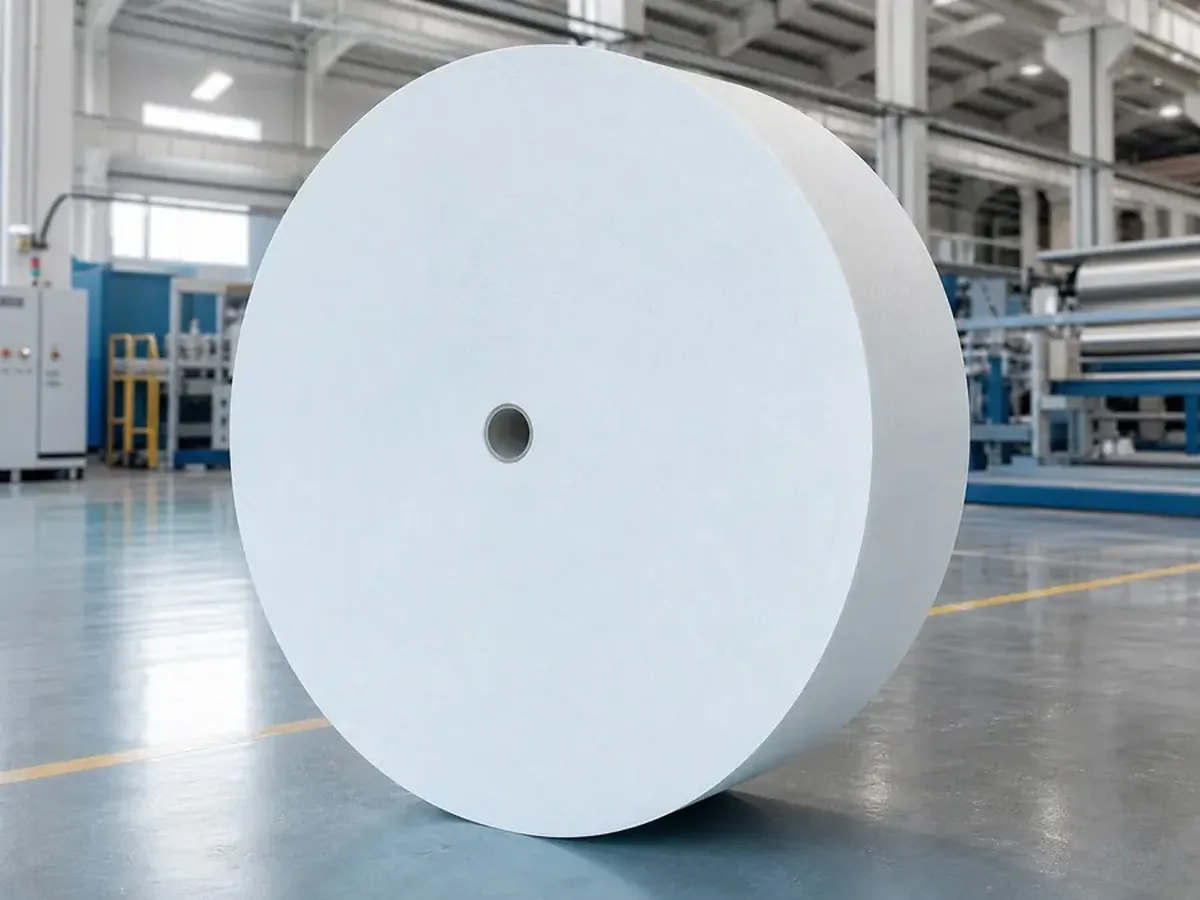
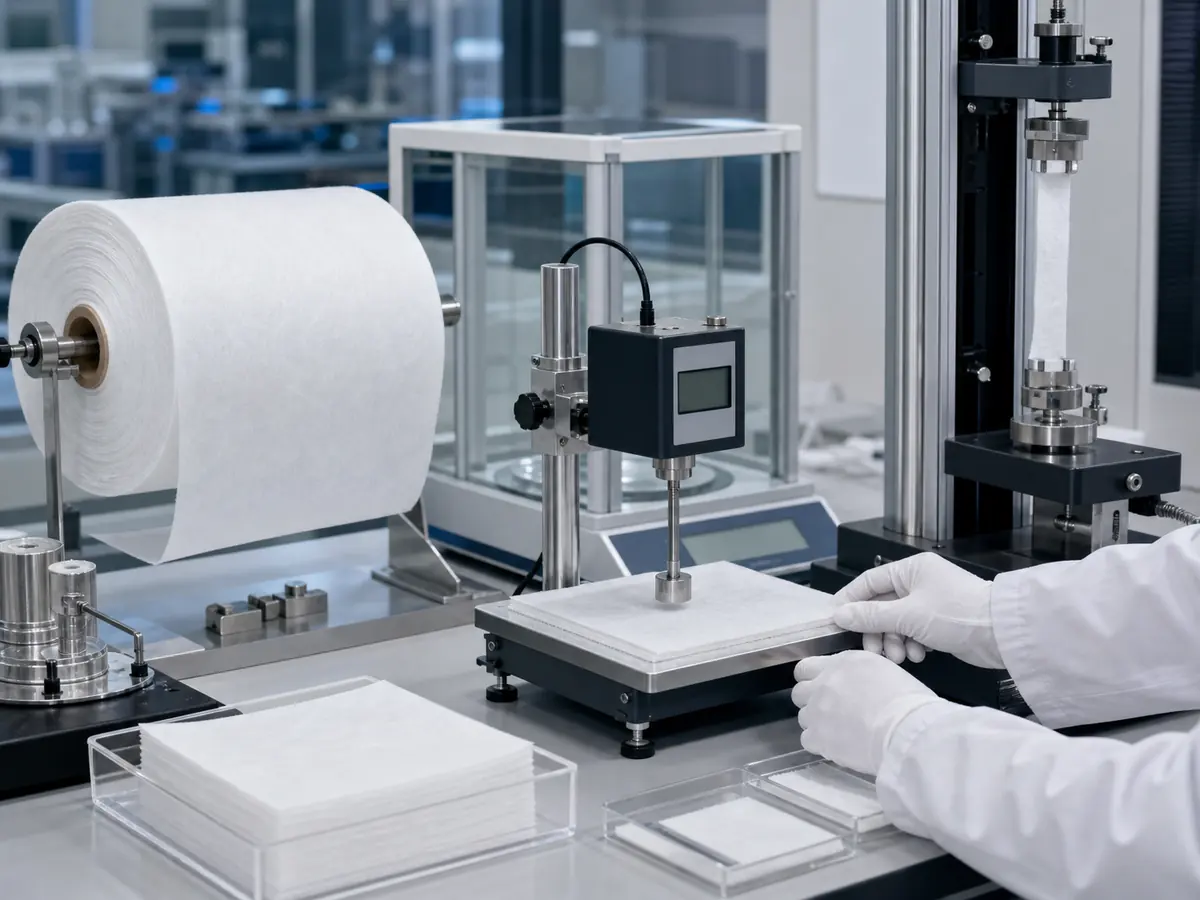
In a VRLA lead-acid battery project, AGM separator is rarely the most expensive material, but it can affect whether assembly runs smoothly, whether batches remain consistent and how much rework a team needs later.
Thickness, price and delivery time are useful starting points. The more important question is whether the separator can be matched consistently to the battery design and production process after sampling moves into volume supply.
Conductivity Support
Charging and discharging consistency depends on more than one visible parameter
AGM separator is both a physical barrier and an electrolyte-retention structure. Its absorption behavior, internal structure and electrical-resistance-related performance need to be evaluated together with the battery design. A sample may be workable with manual adjustment, while continuous assembly can reveal differences in compression, fit and operating consistency.
Fit Under Compression
Stable fit makes assembly easier to control
Separator stability affects more than conductivity support. During assembly and later charge-discharge cycles, internal battery components remain under changing pressure and contact conditions. When fit and structural support are less consistent, teams may spend more time adjusting assembly conditions and handling variation.
Batch Consistency
The real risk in procurement is often variation between batches
A first sample can meet the target while later batches introduce differences in thickness, dimensions or other agreed characteristics. In volume projects, those differences can increase adjustment work, communication cost and uncertainty in the production line. The value of a separator supplier is not one attractive sample, but repeatable supply within confirmed requirements.
Buyer Questions
Ask about application matching, not only price
A practical supplier conversation should cover the battery application, intended separator format, dimensions, test focus, packing and the path from trial samples to volume delivery. These basic questions help buyers understand whether a supplier can support a stable working relationship rather than simply quote one product.
Viking Approach
The goal is to make the next production step easier
Hubei Viking focuses on AGM separator supply for VRLA lead-acid battery applications. We can discuss rolls, sheets, thickness, width, sheet size and packing around the actual project. Our attention is not limited to dispatching one batch; it is to make sampling, assembly and later supply coordination clearer and more manageable.
Battery application
Confirm the battery type, production workflow and performance focus before selecting a separator direction.
Absorption and structure
Review relevant material behavior with the battery design and agreed test conditions rather than relying on thickness alone.
Compression and fit
Discuss plate design, assembly method and the fit expected during continuous production.
Batch control
Confirm the key characteristics and acceptable ranges that matter to your line before moving from samples to volume supply.
Format and packing
Clarify roll or sheet form, width or sheet size, packing method and handling needs.
Supply coordination
Align trial samples, quantity, delivery rhythm and feedback process for the next stage.