On 16 September 2026, the Official Journal published Commission Implementing Decision (EU) 2026/2048, which lists EN 18060:2025 in support of Regulation (EU) 2023/1542. The publicly listed title describes performance and durability for rechargeable EV modules and batteries for road vehicles, including Li-ion, Na-ion, Pb, NiMH and combined chemistries.
This is a scope signal, not a finding that every lead-acid or AGM battery is covered. It does not say that different chemistries use identical tests, thresholds or directly comparable results; nor does it make a battery-material supplier's data a substitute for complete-battery verification.
Published listing
The decision lists EN 18060:2025 as a harmonised standard
The Commission page identifies Decision (EU) 2026/2048 as a harmonised-standard publication supporting Regulation (EU) 2023/1542. Its public listing supports the standard number, decision date and title-level scope; it is not a replacement for obtaining and reading the standard itself.
Covered title scope
The listed title includes Pb alongside Li-ion, Na-ion and NiMH
The title refers to rechargeable EV modules and batteries used in road vehicles and names Li-ion, Na-ion, Pb, NiMH and combined chemistries. That wording should not be broadened to every lead-acid product, stationary battery, UPS battery or all AGM batteries. Applicability depends on the regulation, the complete standard and the actual product classification.
Not one scorecard
A shared framework does not rank chemistries on one scale
Being named in one standard title does not establish that the same performance values, test items, limits or pass conditions apply across chemistries. Do not use the listing to claim that lead, lithium and sodium batteries are being ranked directly against one another.
AGM evidence boundary
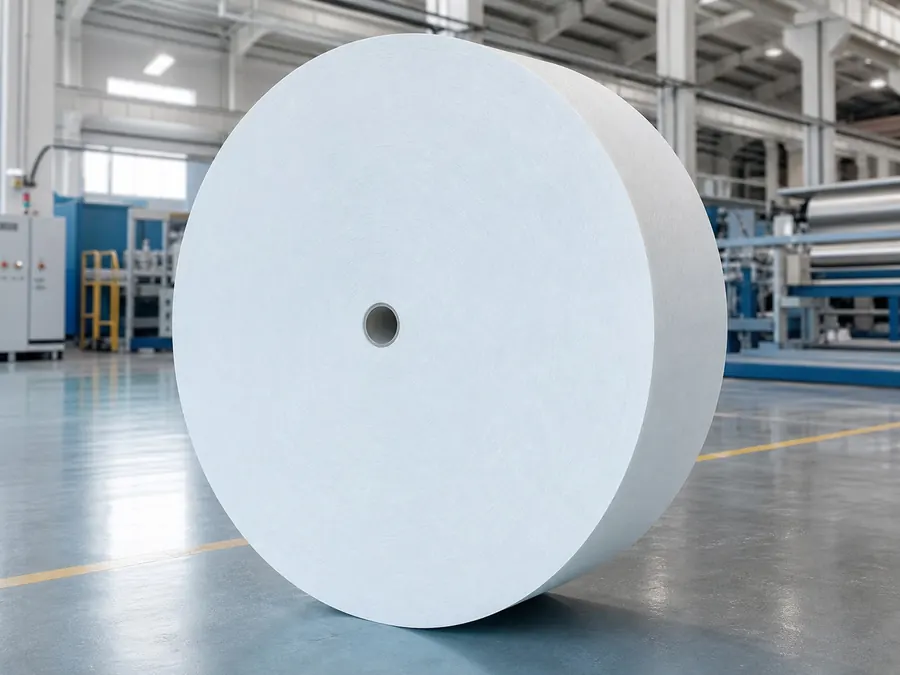
An AGM separator is a system material, not a separately certified battery
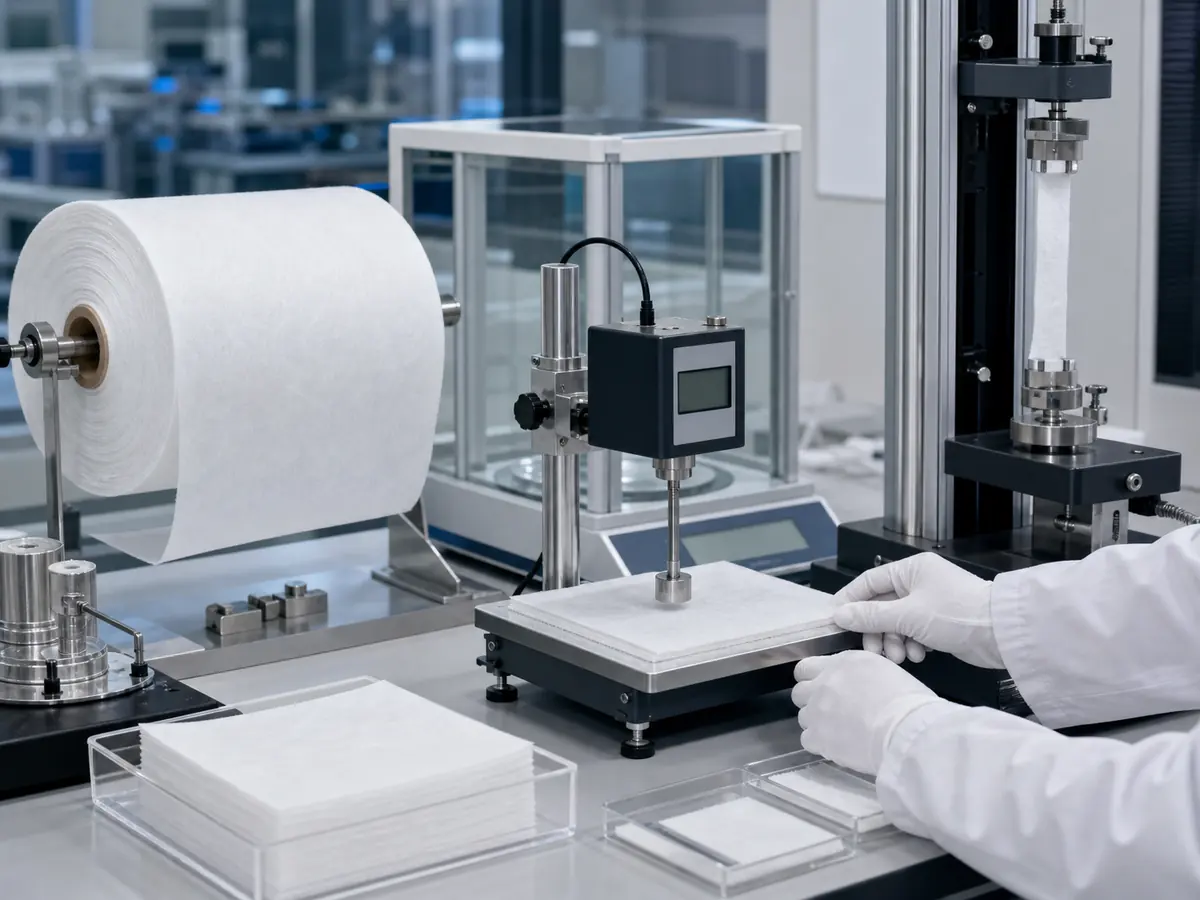
EN 18060:2025 is not presented here as an AGM separator standard, and this listing does not establish a separate separator-certification requirement. Separator thickness, basis weight, absorption-related behaviour and resistance data can inform a material discussion, but cannot alone prove capacity, durability, reliability or regulatory conformity of a complete VRLA battery.
FAQ: applicability
How should a lead-acid battery manufacturer confirm relevance?
Start with the road-vehicle EV module or battery classification, then review the applicable obligations in Regulation (EU) 2023/1542 and the complete EN 18060:2025 text. Record the intended product, chemistry, module or battery level, applicable test scope and the evidence owner. The harmonised-standard listing alone cannot answer every product-specific question.
Supplier action
Match separator evidence to the battery validation plan
For an automotive AGM project, align the separator specification with the battery maker's target design and validation plan: application, plate-group construction, thickness, width or sheet size, roll or sheet format, assembly conditions and agreed material checks. Keep supplier material records separate from complete-battery validation and any legal or conformity assessment responsibilities.
Product classification
Road-vehicle rechargeable EV module or battery status; do not infer from chemistry alone.
Standard access
The complete EN 18060:2025 text and the applicable edition or amendments.
Battery evidence
Complete-battery validation scope, method and result ownership.
Separator evidence
Agreed material specification, test method, sample state and batch record.