A new cold-start milestone changes the evidence available to buyers. The useful next step is to define the vehicle’s operating task and compare what each candidate has actually demonstrated.
Reported milestone
The announced result and development stage
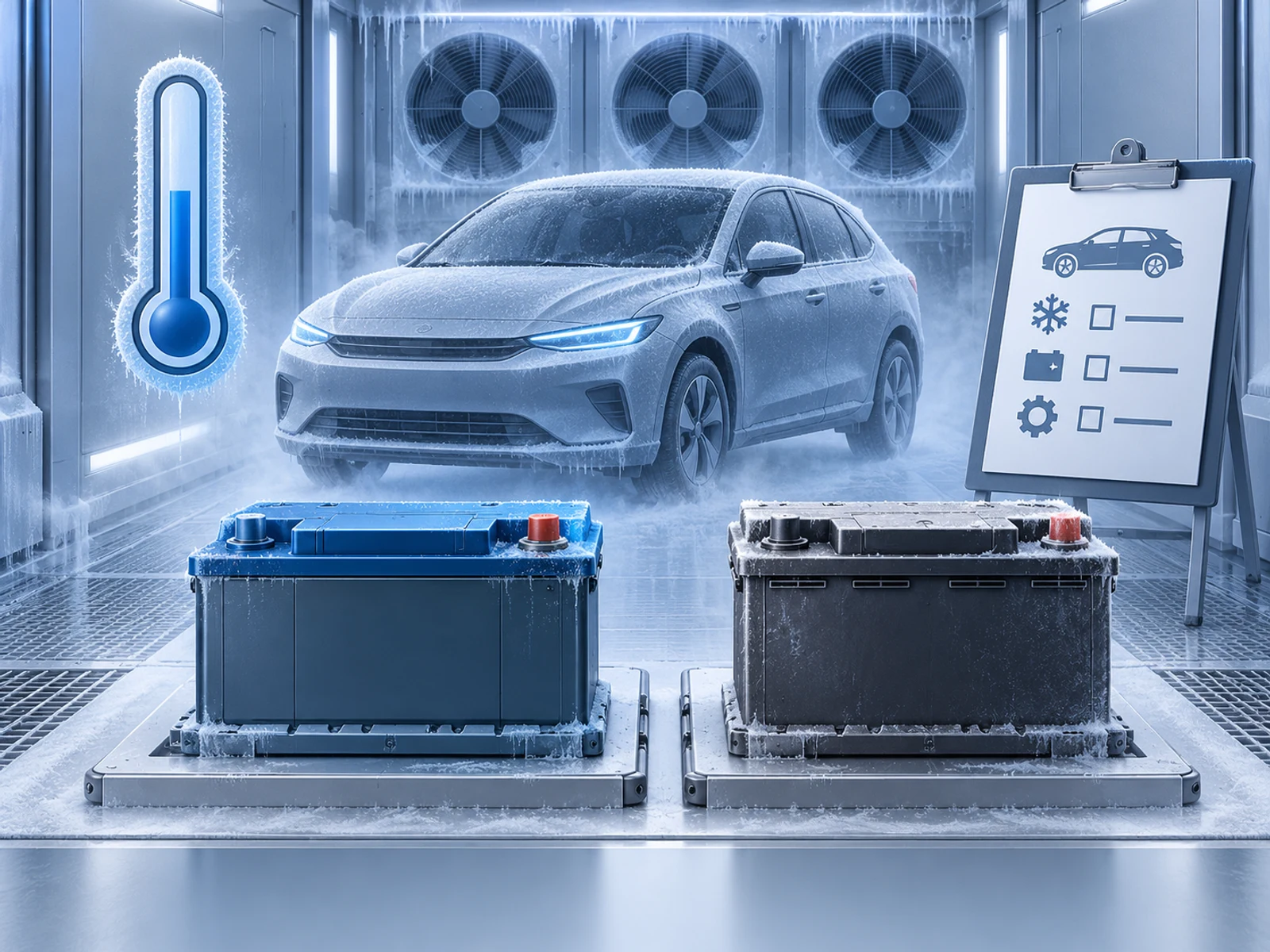
On September 14, 2026, Clarios, Altris and InoBat reported −40°C cold-cranking validation for their sodium-ion low-voltage, high-power solution. The announcement describes internal testing and customer evaluations, including automotive, commercial-vehicle and off-highway work, and a move toward pilot-scale learning and small-series production readiness.
Evidence boundary
A cold-start result is not a lifecycle conclusion
This is a company-reported milestone, not independent third-party confirmation. It does not demonstrate mass-production readiness, lifecycle cost leadership or suitability for every vehicle and climate. It does not establish that AGM has been replaced. Low-temperature performance should be compared through defined conditions and evidence rather than a fixed technology label.
Purchasing criteria
Compare four dimensions before selecting a battery
Assess lifecycle cost through initial investment, maintenance, replacement and residual value. Review validation maturity against the relevant vehicle and operating conditions. Verify the local recycling route and responsibility. Check supply and after-sales arrangements, including regional delivery, service and fault handling. A staged corporate disclosure alone cannot close these four questions.
Application conditions
Validate the intended vehicle and climate
The −40°C result is relevant to cold regions and specific vehicles; it cannot replace validation for high-temperature operation, cycling, charge acceptance, maintenance support or actual service life. Apply the same discipline to AGM on existing vehicle platforms. The weighting of cost, evidence, recycling and support changes with temperature range, architecture, duty cycle and local conditions.
Material inputs
Separate AGM material data from battery performance
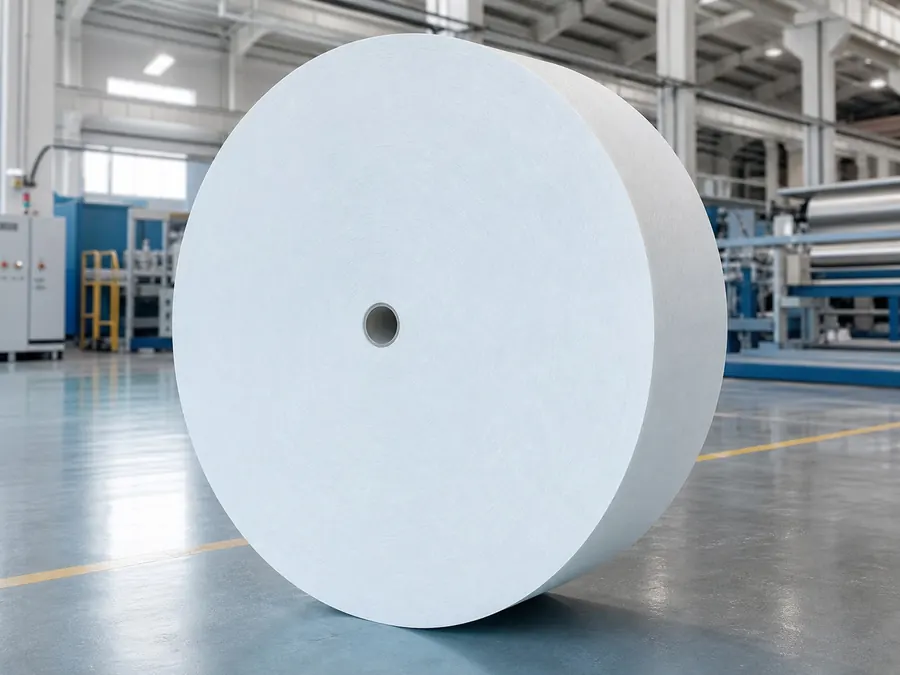
Separator pore structure, electrolyte absorption, thickness, compression state and batch consistency are material inputs that can affect initial assembly conditions and repeatability. Control these inputs during low-temperature and cycling validation of start-stop batteries. They do not prove whole-battery cold-start capability or independently establish system life, cost or after-sales performance.
Project review
Begin separator selection with project conditions
Record material data, battery tests, vehicle validation and field operation separately. Start with the customer’s vehicle type, temperature range, battery architecture and target duty cycle; identify comparable data, existing validation and gaps. Viking can discuss AGM separator roll or sheet format, thickness, width, sample methods and batch consistency for a defined VRLA project. Final suitability requires customer battery and application validation.
Lifecycle cost
Initial investment, maintenance, replacement and residual value.
Validation maturity
Vehicle-relevant conditions, methods and available evidence.
Recycling
A verifiable end-of-life route and responsible parties.
Supply and after-sales
Regional delivery, service and fault handling.