
Compare battery options through duty, site conditions, safety, recycling, total cost and evidence. Assess AGM separators only within a defined VRLA battery application.
Research scope
Broader research does not mean lead research is ending
ELBC 2026 discussed complementary technologies. Batteries International reported a planned CBI expansion in 2027 while retaining lead research. This is media coverage, not a verified CBI governance document or a completed organizational change.
Operating duty
Start with the operating result
Begin with load power and duration, float or cycling duty, temperature, space, charging, controls and maintenance. Compare safety design, monitoring, isolation and incident response within the same system boundary. Verify the local recycling route and responsible parties. Total cost should cover procurement, modifications, operation, maintenance, replacement and recycling; purchase price alone is insufficient.
System architecture
Multiple technologies do not require a hybrid system
A hybrid configuration needs a specific duty-based justification. If one technology satisfies the requirements, extra interfaces and controls may add unnecessary complexity. Validate a combined system only when different duties justify it and controls, interfaces, maintenance and responsibilities can be implemented. This is a project review framework, not a universal ranking of chemistries.
AGM boundary
AGM belongs within a defined VRLA application
AGM is not a chemistry alongside lead, lithium or sodium: it is an absorbent glass mat construction used in VRLA lead-acid batteries. First establish whether the project includes a suitable VRLA duty, such as validated backup or float service. Check charging, temperature, space, maintenance and battery design. A lithium-ion or sodium-ion project does not automatically require AGM separators.
Validation
Use the same inputs and acceptance criteria
Give every candidate the same load profile, operating mode, environment, safety requirements, recycling responsibility and cost boundary. Distinguish material data, sample results, complete-battery validation and operating-system evidence. Define acceptance criteria and the party responsible for each test before treating results as comparable. Material tests alone cannot establish battery life, capacity or system safety.
Viking scope
Viking’s separator scope
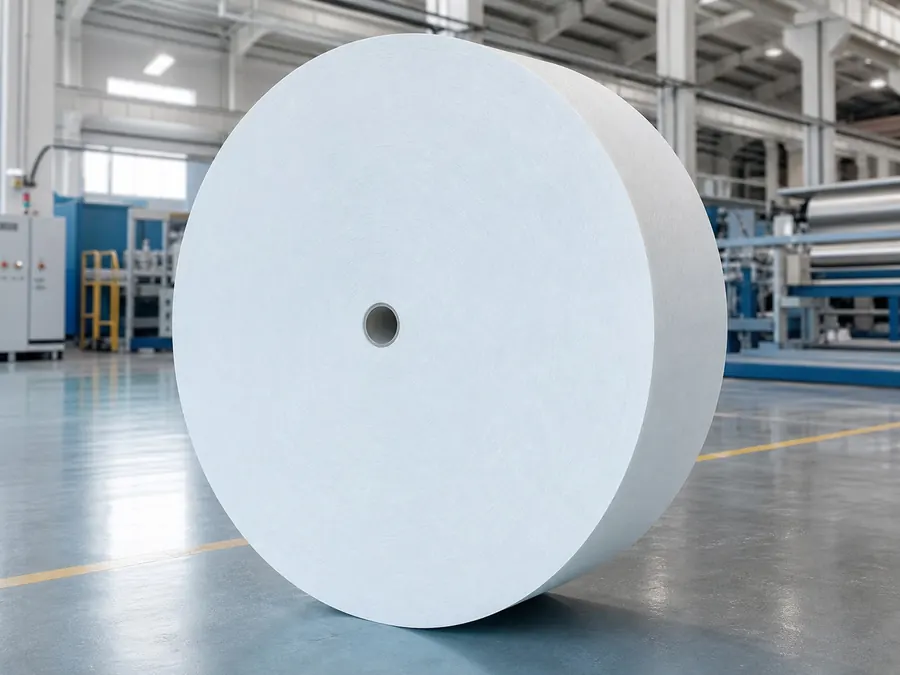
Hubei Viking Technology focuses on AGM glass-fiber separators for VRLA lead-acid batteries. Discuss roll or sheet format, thickness, width, sheet dimensions, packaging and agreed sample methods. Final suitability depends on battery design, operating duty and customer validation. Share the application, capacity, target dimensions, test conditions and current sample stage for specification matching.
Start with the operating result
Load profile, target power and required duration
Multiple technologies do not require a hybrid system
Float, cycling or mixed operating mode
AGM belongs within a defined VRLA application
Temperature, space, installation and maintenance
Use the same inputs and acceptance criteria
Sample, complete-battery and system acceptance criteria